
How Fall Timing Works for Treating Summer Sun Spots
Limelight Medical Aesthetics • September 8, 2026
Summer sun exposure leaves a mark that often does not show up fully until months later. At Limelight Medical Aesthetics, early fall tends to be when patients start noticing pigmentation they did not think much of back in July.
Understanding why timing matters, along with how the treatment itself works, can help you plan a pigmentation schedule that actually works with your skin's healing process, rather than against it.
What We Cover:
- Stage 1: Assess Your Skin's Sun Damage
- Stage 2: Schedule Your Pigmentation Treatment
- Stage 3: Protect Your Results Through the Season
- Frequently Asked Questions
Stage 1: Assess Your Skin's Sun Damage
Before booking anything, it helps to get a clear picture of what you are actually dealing with. Pigmentation can range from mild sun spots to deeper, more stubborn discoloration, and the right approach depends on knowing the difference.
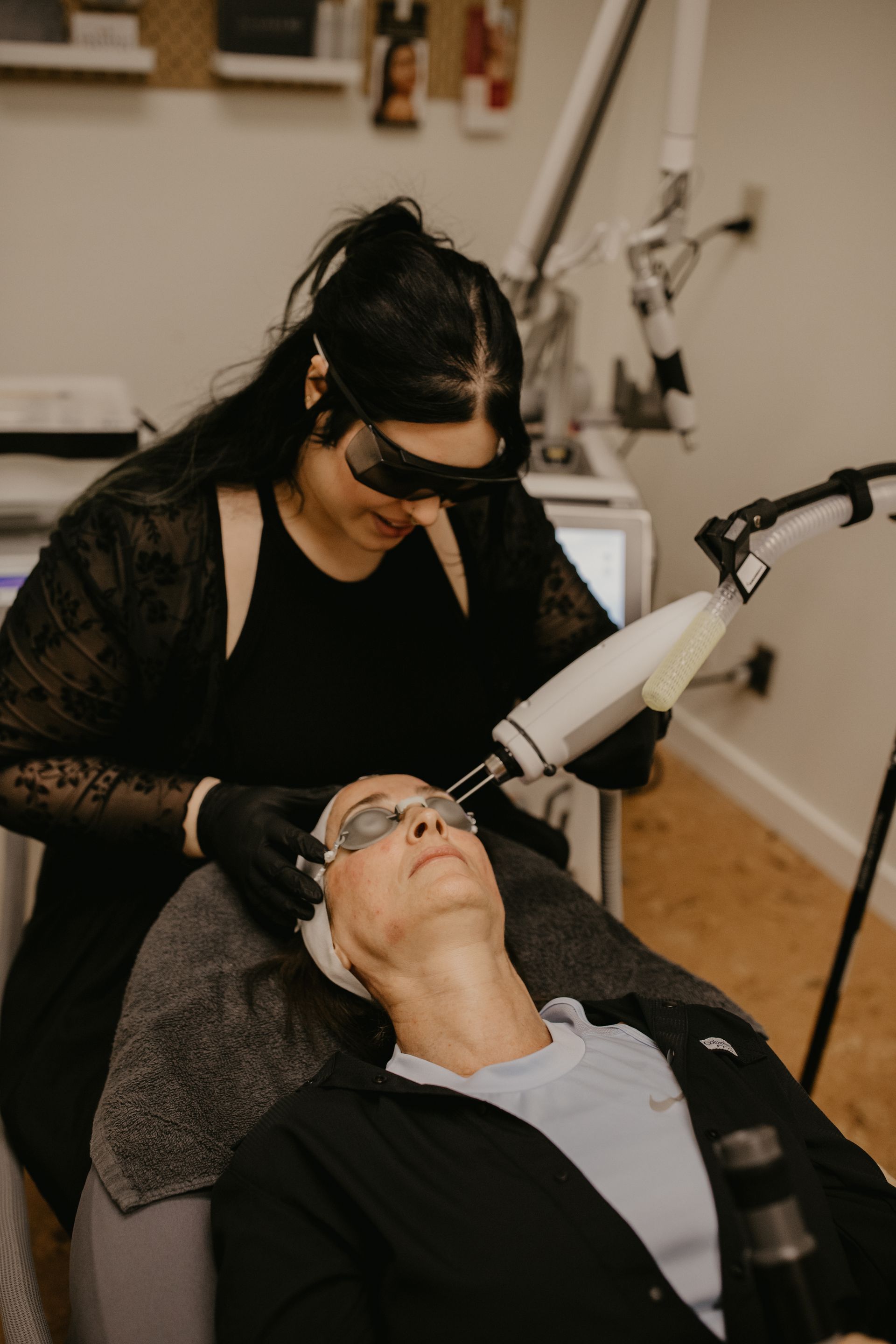
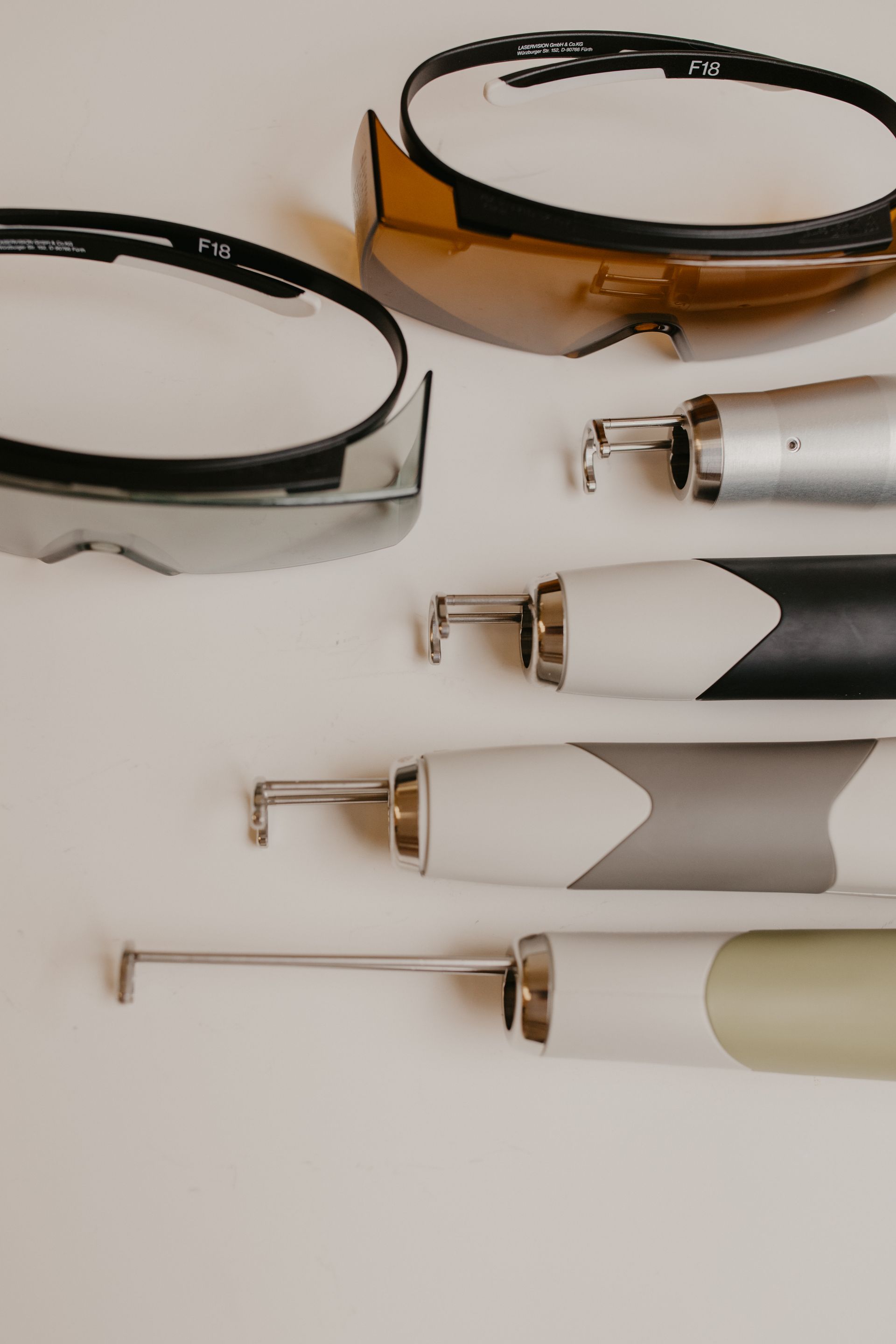
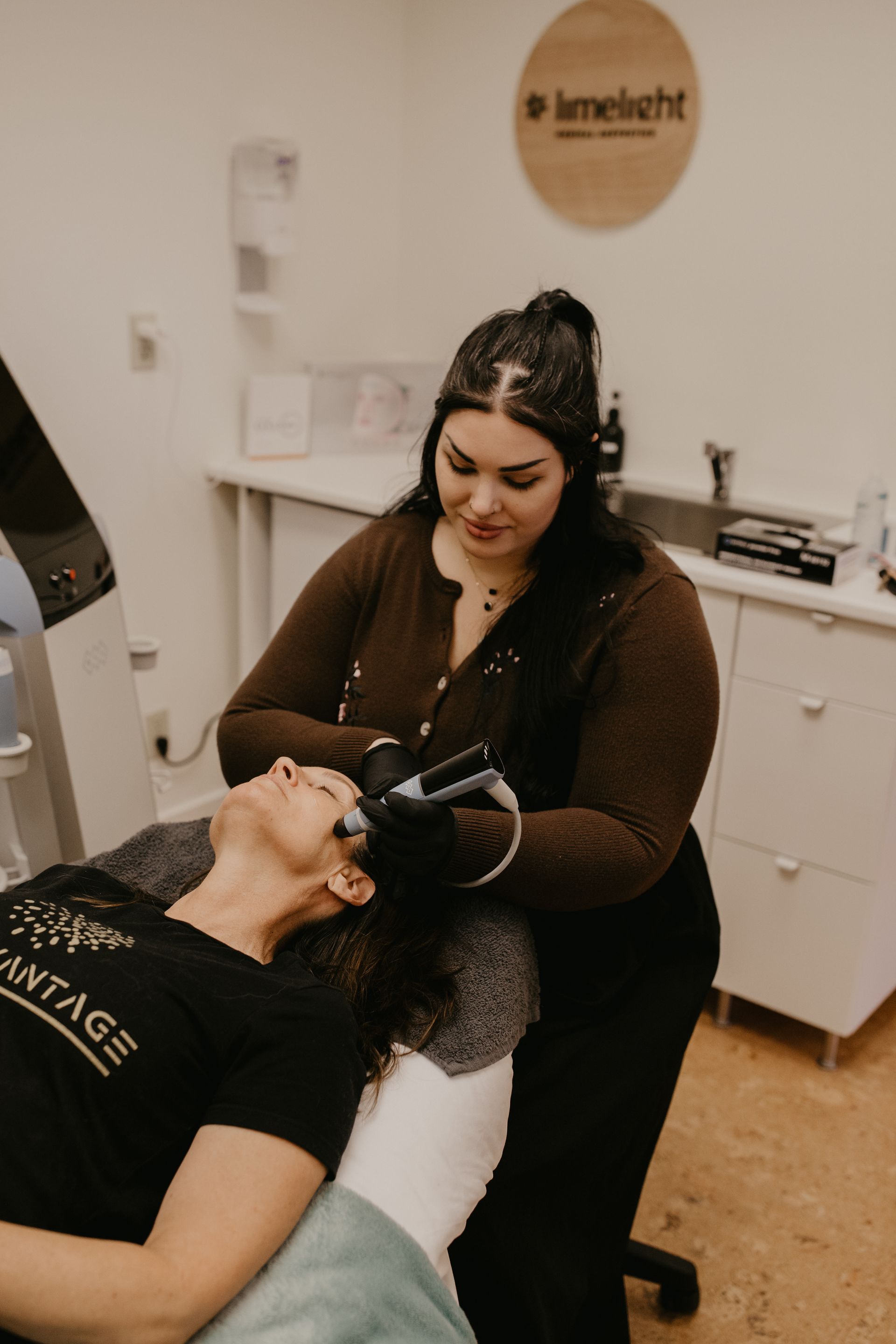
At Limelight, pigmentation and dyschromia treatment uses the Chrome Q-Switched Laser with the OptiZoom handpiece to target excess melanin directly. Short bursts of light seek out pigment and break it into tiny particles, which your body then processes gradually over the following weeks. Dual wavelengths allow the device to treat both lighter brown spots and deeper pigment while protecting the surrounding tissue, which is part of what makes results predictable rather than a guessing game.
• Skin Assessment: A consultation at Limelight helps identify whether pigmentation is surface-level or sits deeper in the skin.
• Skin Type Consideration: Dual wavelengths mean most skin tones can be treated safely, with settings personalized after a thoughtful consultation.
• Realistic Goal Setting: Understanding what the OptiZoom handpiece can realistically achieve on your specific pigmentation pattern helps set expectations from the start.
Stage 2: Schedule Your Pigmentation Treatment
Fall tends to be an ideal window for pigmentation treatment because sun intensity is naturally lower, which supports better healing between sessions. Scheduling early in the season also gives your skin more time to fully respond before winter events or holiday plans arrive.
• Session Planning: Most pigmentation treatment plans involve multiple sessions spaced several weeks apart, since your body needs time to clear the broken-down pigment between visits.
• Area Sizing: Treatment can focus on a single spot or expand to small, medium, large, or extra-large areas, including the face, chest, or hands.
• Provider Consultation: A thorough consultation ensures the wavelength and settings match your specific pigmentation pattern and skin tone.
Stage 3: Protect Your Results Through the Season
Once treatment begins, protecting your skin becomes just as important as the sessions themselves. Even with lower fall sun intensity, UV exposure does not disappear entirely, and treated skin is more reactive to it while the body is still clearing pigment.
• Daily SPF: Sunscreen remains essential even as the weather cools down, since new UV exposure can undo the progress your body is making.
• Gentle Skincare: Avoid harsh actives immediately following each session while the treated area recovers.
• Consistent Follow-Through: Sticking to the full recommended session plan supports long-term results rather than a partial improvement.
► One of the most important facts to keep in mind is that pigmentation treatment works as a gradual process, since your body needs time to clear treated pigment between sessions, not as a single stand-alone fix.
Frequently Asked Questions
Why Do Many Patients Start Pigmentation Treatment in the Fall?
Lower sun intensity in the fall supports better healing between sessions, since treated skin is less likely to react poorly to UV exposure during the recovery window. It also gives the Chrome Q-Switched Laser's results time to develop fully as your body clears broken-down pigment, which is part of why fall bookings tend to fill up steadily as the season progresses.
How Many Sessions Does Pigmentation Laser Treatment Typically Take?
Most treatment plans involve three to five sessions spaced three to four weeks apart, depending on the depth and pattern of the pigmentation being treated. Spacing sessions properly allows your body time to process the broken-down pigment between visits, which supports more even, lasting results.
Can Pigmentation Treatments Be Done on Darker Skin Tones?
Yes, the dual wavelengths built into the Chrome Q-Switched Laser allow settings to be adjusted for different skin tones, since darker skin carries a higher risk of unwanted pigment changes if the wrong wavelength is used. A thorough consultation helps determine the safest, most effective wavelength for your specific skin tone.
Planning Your Pigmentation Treatment Timeline
Fall offers a practical window to start addressing sun spots that summer left behind, provided the timeline is planned out with enough room for a full series of sessions. Starting sooner rather than later simply gives your skin more time to respond fully before the season moves on.
If you have noticed new pigmentation since summer, reach out to Limelight Medical Aesthetics to talk through what a realistic treatment timeline would look like for your skin.
Share This Blog